
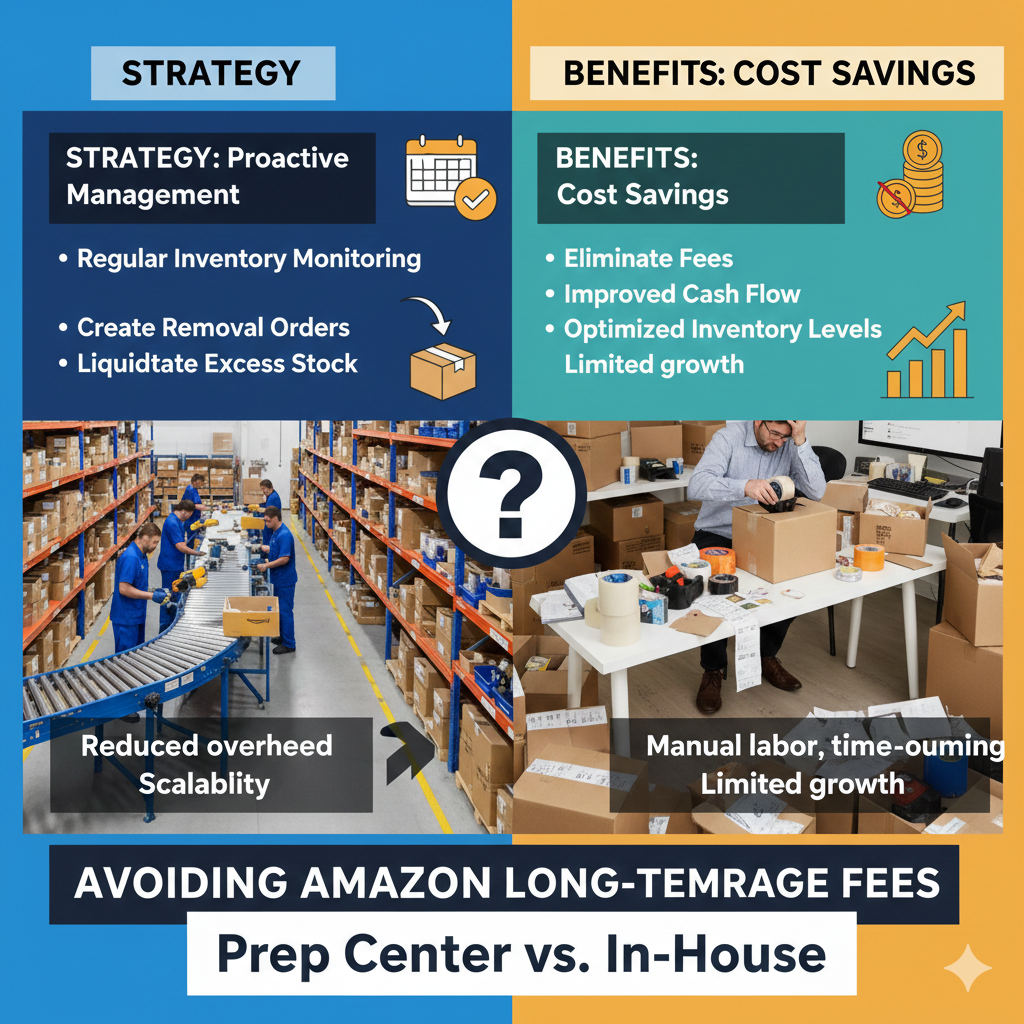
Amazon FBA is one of the most powerful fulfillment solutions for online sellers, but it comes with hidden costs that can quickly eat into profits. One of the biggest challenges sellers face is long-term storage fees. These charges apply when inventory sits in Amazon warehouses for too long, making Avoiding Amazon Long-Term Storage Fees a critical strategy for every FBA business.
Understanding how these fees work and how to manage inventory efficiently can help sellers maintain healthy margins while scaling their operations.
What Are Amazon Long-Term Storage Fees?
Amazon charges long-term storage fees on inventory that remains in fulfillment centers for more than 180 days. These fees are assessed monthly and are separate from standard monthly storage fees. The longer your inventory stays unsold, the higher the cost becomes, making Avoiding Amazon Long-Term Storage Fees essential for sustainable growth.
Amazon applies these fees per cubic foot or per unit, whichever is greater. Slow-moving, oversized, or seasonal products are especially vulnerable, which is why proactive inventory management is crucial.
Why Long-Term Storage Fees Hurt Sellers
Long-term storage fees can significantly reduce profitability, especially for small and medium-sized sellers. Even high-margin products can turn into losses if they sit too long in storage. This makes Avoiding Amazon Long-Term Storage Fees not just a cost-saving tactic, but a survival strategy for FBA sellers.
Additionally, excess inventory ties up capital that could otherwise be reinvested into faster-selling products, advertising, or new launches.
Inventory Forecasting Is Key
Accurate inventory forecasting is one of the most effective ways of Avoiding Amazon Long-Term Storage Fees. Sellers should analyze sales velocity, historical demand, and seasonal trends before sending products to Amazon warehouses.
Instead of sending large bulk shipments, consider smaller, more frequent restocks. This approach reduces the risk of overstocking while maintaining enough inventory to meet demand.
Optimize Product Listings to Increase Sales
Slow sales are the primary reason inventory accumulates. Improving product listings can significantly boost conversion rates and help with Avoiding Amazon Long-Term Storage Fees. High-quality images, compelling bullet points, optimized titles, and keyword-rich descriptions all contribute to better visibility and sales.
Pricing strategy also matters. Regularly reviewing competitor pricing and adjusting your price can help move stagnant inventory faster.
Use Amazon Removal and Liquidation Options
When inventory starts approaching the long-term storage threshold, sellers should act quickly. Amazon offers removal orders, allowing you to return inventory to your location or dispose of it. Using removal orders strategically is another effective method of Avoiding Amazon Long-Term Storage Fees.
Amazon also provides inventory liquidation programs that allow sellers to recover some value instead of paying ongoing storage fees. While liquidation profits may be lower, it’s often better than absorbing long-term charges.
Leverage Promotions and Advertising
Running promotions, discounts, and Amazon PPC campaigns can help move aging inventory quickly. Lightning Deals, coupons, and limited-time offers can significantly increase sales velocity. These promotional tactics support Avoiding Amazon Long-Term Storage Fees by ensuring inventory doesn’t remain idle.
Even a temporary reduction in profit margins is often preferable to paying long-term storage fees month after month.
Monitor Inventory Age Reports Regularly
Amazon provides detailed inventory age reports in Seller Central. These reports show how long each unit has been stored and help sellers identify at-risk inventory early. Regular monitoring is crucial for Avoiding Amazon Long-Term Storage Fees before they are charged.
Setting calendar reminders to review inventory age every month can prevent surprises and give sellers enough time to take corrective action.
Final Thoughts
Amazon FBA offers incredible convenience, but it requires careful planning and ongoing monitoring. From forecasting demand and optimizing listings to running promotions and using removal orders, there are many ways to manage inventory effectively. Ultimately, Avoiding Amazon Long-Term Storage Fees is about staying proactive, data-driven, and flexible in your inventory strategy.
By implementing these best practices, sellers can protect their profits, free up capital, and build a more scalable and resilient Amazon FBA business.