Selling through Amazon FBA Prep Logistics can be a highly profitable business model, but it also requires strict preparation and packaging requirements. One of the most important and often misunderstood aspects is poly bagging. Many sellers face delays, extra fees, or rejected inventory simply because their products are not packaged correctly. Understanding how poly bags should be used, when they are required, and what specifications must be followed can save both time and money.
This guide breaks down everything sellers need to know, from when poly bagging is required to the exact specifications Amazon expects.
Table of Contents
What Is Poly Bagging in Amazon FBA?
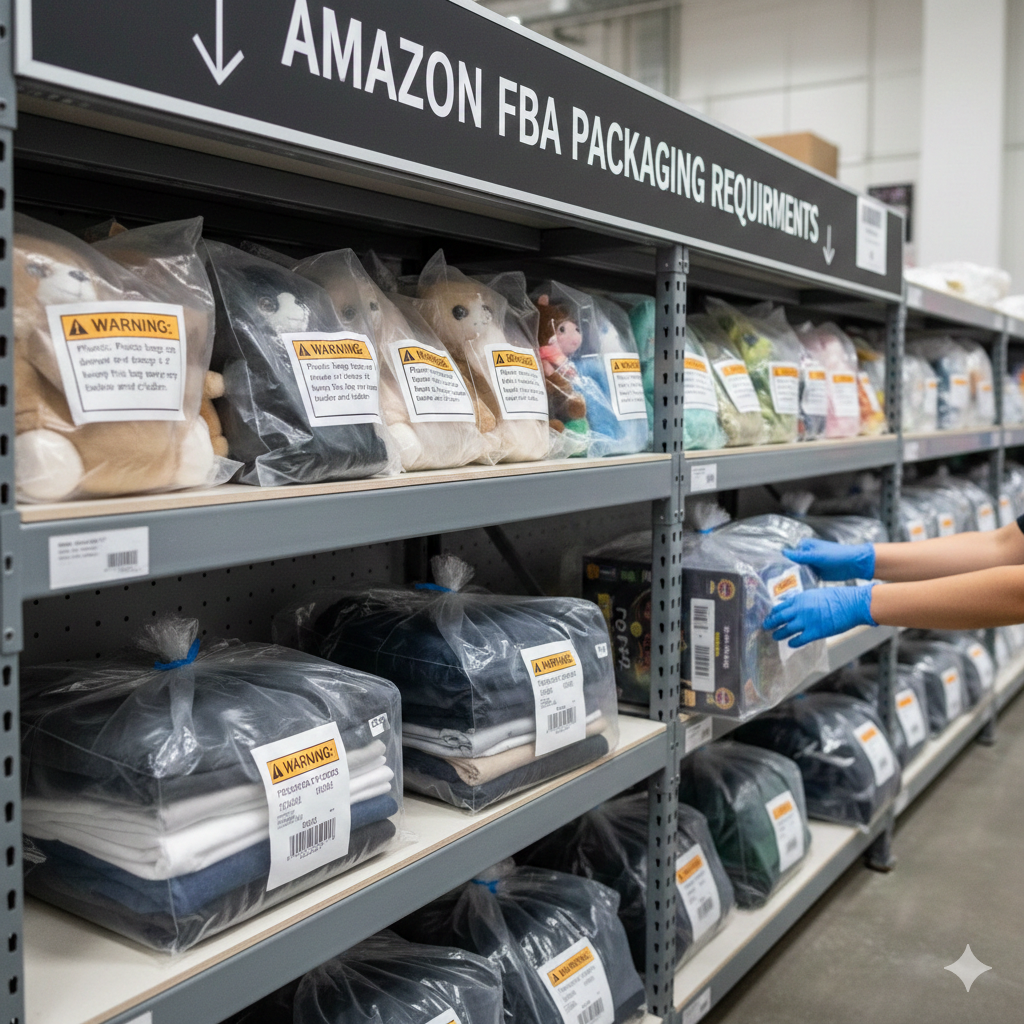
Poly bagging refers to placing products inside clear plastic bags before sending them to Amazon fulfillment centers. These bags protect items from dust, moisture, and damage during storage and shipping. Amazon requires poly bagging for certain products to maintain safety, hygiene, and inventory consistency.
Items that are loosely packaged, contain multiple parts, or are vulnerable to environmental damage often need to be poly bagged before entering Amazon’s fulfillment network.
Why Amazon Enforces Poly Bagging Rules
Amazon handles millions of products daily. Without standardized packaging, items can easily become damaged, mixed up, or unsafe. Poly bagging helps:
- Prevent product contamination
- Keep small parts together
- Protect items from leaks or spills
- Improve warehouse efficiency
- Ensure customer safety
Failing to comply with Amazon FBA Poly Bagging Requirements can result in repackaging fees, shipment refusal, or inventory being placed in unsellable condition.
Products That Require Poly Bagging
Not every product needs poly bagging, but many common categories do. Amazon typically requires poly bags for:
- Apparel and fabric items
- Plush toys and soft goods
- Products with loose or detachable components
- Items that can be damaged by dust or moisture
- Products sold as bundles or sets
If an item can be easily separated, torn, or contaminated, poly bagging is usually mandatory.
Poly Bag Specifications You Must Follow
Amazon does not accept just any plastic bag. Sellers must ensure their packaging meets specific technical standards.
Bag Transparency
Poly bags must be completely transparent so barcodes and product details are visible without opening the bag.
Thickness Requirements
The bag must be at least 1.5 mil thick to prevent tearing during handling and storage.
Bag Size and Fit
Poly bags should fit snugly around the product. Excessive loose plastic is not allowed, as it can cause barcode scanning issues or warehouse handling problems.
Barcode Visibility
The FNSKU or scannable barcode must be clearly visible on the outside of the poly bag. If the original barcode is visible through the bag, it must be covered or removed to avoid confusion.
Suffocation Warning Labels
Any poly bag opening larger than 5 inches requires a suffocation warning label. This rule applies regardless of the product type.
The warning must be:
- Clearly readable
- Printed in a contrasting color
- Visible without opening the bag
This is a critical safety requirement, and missing warning labels are one of the most common violations related to Amazon FBA Poly Bagging Requirements.
When Poly Bagging Is Not Required
Some products do not need poly bagging, including:
- Items already sealed in protective retail packaging
- Hard goods with secure, non-damaging packaging
- Liquids that meet Amazon’s sealed container standards
However, even if poly bagging is not required, sellers may still choose to use it for extra protection or branding purposes.
Common Poly Bagging Mistakes to Avoid
Many sellers run into issues because of small but costly errors. Avoid these common mistakes:
- Using opaque or semi-transparent bags
- Forgetting suffocation warning labels
- Placing multiple unrelated items in one bag
- Covering the barcode with folds or wrinkles
- Using bags thinner than 1.5 mil
Even one mistake can lead to shipment delays or additional prep fees.
Amazon Prep Service vs. Seller Prep
Sellers can either prep products themselves or pay Amazon to handle poly bagging. Amazon’s prep service charges per unit, and costs can add up quickly for large shipments.
Preparing items yourself gives you:
- Lower long-term costs
- Greater quality control
- Faster inventory processing
However, you must follow Amazon FBA Poly Bagging Requirements precisely to avoid penalties.
How to Ensure Compliance Before Shipping
Before sending inventory to Amazon, take these steps:
- Review Amazon’s latest FBA prep guidelines
- Test barcode scannability through the bag
- Check bag thickness and transparency
- Confirm suffocation warnings are visible
- Inspect bundled items for separation risks
A final quality check can prevent costly errors at the fulfillment center.
Final Thoughts
Poly bagging may seem like a small detail, but it plays a major role in successful Amazon FBA operations. Proper packaging protects your products, improves customer experience, and ensures smooth processing at Amazon warehouses. Sellers who take the time to understand and follow Amazon FBA Poly Bagging Requirements avoid unnecessary fees and delays while maintaining a professional and compliant business.Amazon FBA Poly Bagging Requirements
FAQs – Amazon FBA Poly Bagging
1. What are Amazon FBA poly bagging requirements?
Amazon requires certain products to be packed in clear, durable poly bags to protect them during storage and shipping. These bags must meet thickness, transparency, labeling, and safety standards.
2. Which products need poly bagging for Amazon FBA?
Products such as clothing, fabric items, plush toys, bundled products, and items with loose parts usually require poly bagging before being sent to Amazon fulfillment centers.
3. What thickness should poly bags be for Amazon FBA?
Poly bags must be at least 1.5 mil thick. Thinner bags may tear during handling and can result in non-compliance or additional prep fees.
4. Are suffocation warning labels mandatory?
Yes. Any poly bag with an opening of 5 inches or more must include a clear suffocation warning label that is visible and readable.
5. Can I use opaque or colored poly bags?
No. Amazon only allows fully transparent poly bags so barcodes and product details can be scanned without opening the package.
6. Do barcodes need to be visible on poly-bagged items?
Yes. The FNSKU barcode must be clearly visible through the bag. Any other scannable barcodes should be covered to prevent scanning errors.
7. Does Amazon offer poly bagging services?
Yes, Amazon provides a paid prep service where they handle poly bagging for sellers. However, fees are charged per unit and can increase overall costs.
8. Can sellers do poly bagging themselves?
Yes. Sellers can prep items themselves as long as they strictly follow Amazon’s packaging and safety guidelines.
9. What happens if poly bagging rules are not followed?
Non-compliance can lead to inventory rejection, repackaging fees, shipment delays, or products being marked unsellable.
10. Is poly bagging always required for FBA products?
No. Items that are already securely sealed in retail packaging or hard goods with protective casing may not require poly bagging.